Parson Cross Park
The main green space in the area and the easiest reference point for locating the surrounding residential streets. We use it to plan routes when a job involves multiple properties on the same estate.

Spray foam removal in Parson Cross is a specialist job, and we have been doing it here since 2021. Parson Cross is a post-war housing estate built largely between the 1920s and 1950s, and thousands of those homes have lofts, cavity walls and roof spaces that were never designed for the closed cell foam that gets pumped into them today. When that foam goes wrong, it shrinks, cracks and traps condensation against the rafters. We have cleared it from semis in Southey, terraces in Shirecliffe and bungalows around Longley Park. As a local Spray foam removal Parson Cross South Yorkshire company, we know the difference between a straightforward loft extraction and a job that needs the roof tiles lifting. Every survey starts with a proper look at the timbers, the ventilation and the mortgage paperwork.
Every property in Parson Cross is different, so we do not sell one-size-fits-all removal. A 1930s semi off Deerlands Avenue needs a different approach from a warehouse unit near the Firth Park border. Whether you need a quick loft extraction before a mortgage valuation or a full insulation removal service with new boards fitted afterwards, we cover it. If you have been searching for spray foam removal in Parson Cross near me, this is the full list of what we can book you in for.
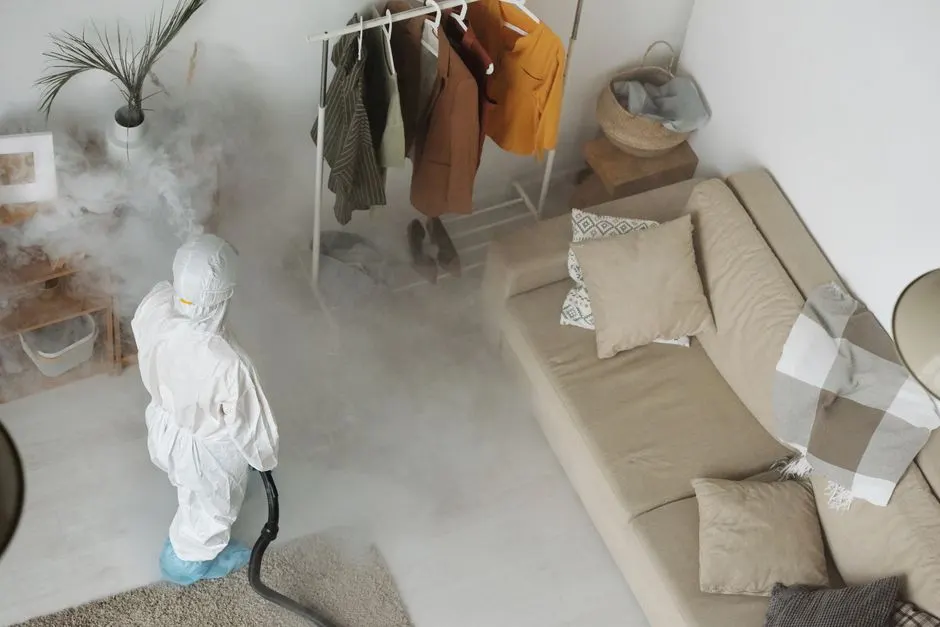




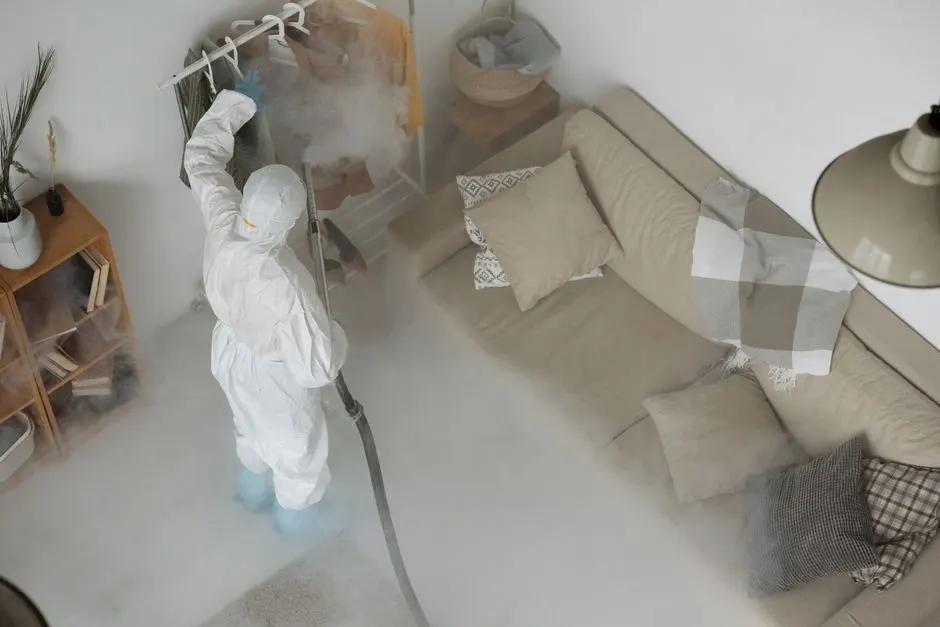






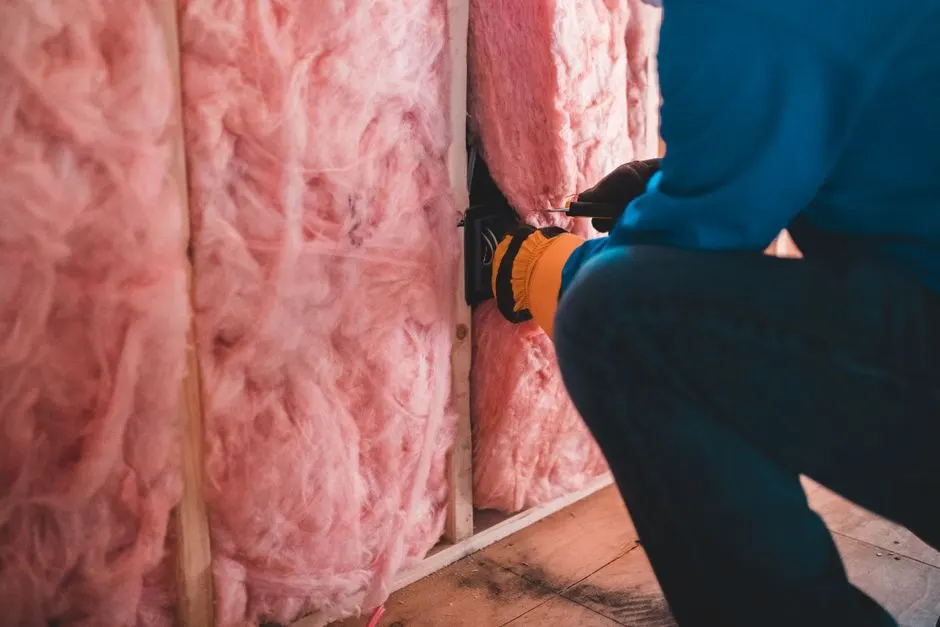


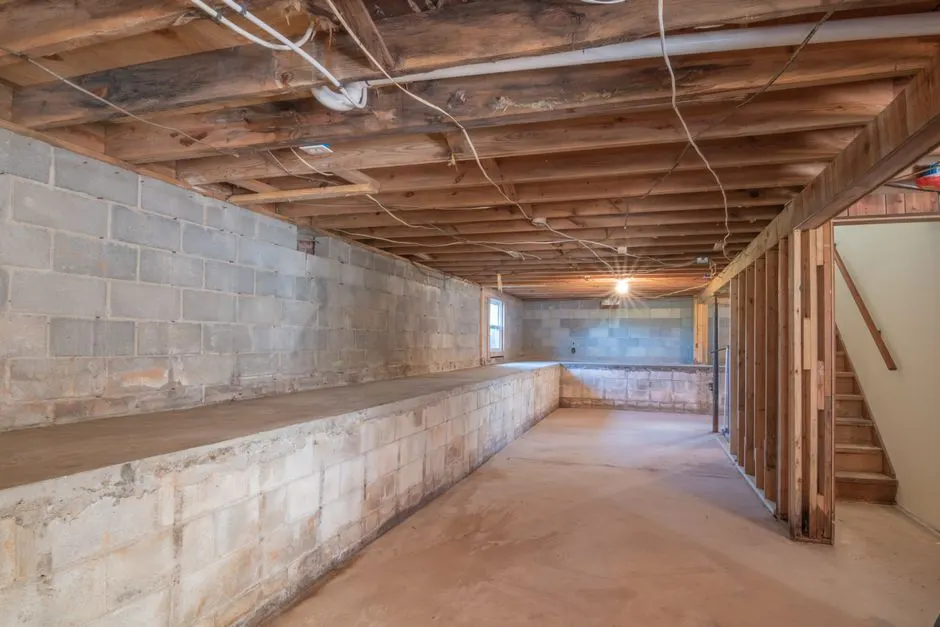




Parson Cross has a particular set of conditions that make spray foam problems more likely than in other parts of Sheffield. The housing stock is older, the roof pitches are shallow, and the estate is exposed to wind-driven rain from the west. Add in the fact that a lot of foam was installed cheaply during insulation schemes, and you get a predictable pattern of failures. Here are the four issues we deal with most often.
Lenders class spray foam as a risk because it can hide timber defects and trap moisture. In Parson Cross, where so many homes have had foam installed, this regularly stalls sales and remortgages at the valuation stage.
The shallow roofs on Parson Cross's post-war housing rely on eaves vents to keep the roof space dry. When foam is sprayed over those vents, moisture has nowhere to go and condenses on the rafters, leading to damp stains and timber decay.
Closed cell foam shrinks as it cures, especially in the temperature swings we get across a Sheffield year. Once it pulls away from the timbers, it stops insulating and starts funnelling cold air and moisture into the roof space.
Foam that has cracked or come away from the rafters gives birds, rodents and insects a way into the roof space. In Parson Cross, older lofts with boarded sections and service gaps are especially vulnerable, and the problem often goes unnoticed until droppings or damage appear.
Spray foam problems rarely announce themselves loudly. Most people only find out when a surveyor flags it, a mortgage falls through, or damp starts showing on a ceiling. If you have noticed any of the signs below, it is worth booking an insulation assessment before the problem gets worse. Catching it early usually means a cheaper, faster removal.
Mortgage lender or surveyor flags spray foam
This is the most common trigger we see in Parson Cross. Lenders treat spray foam in the roof as a risk because it can trap moisture and hide timber defects. Until it is removed and certified, most high street lenders will not release funds, so the sale stalls.
Damp patches on ceilings below the loft
Foam that has shrunk away from the rafters creates a cold bridge where condensation forms. The moisture then tracks down through the ceiling. If you are seeing brown stains or peeling paint, the foam is likely blocking ventilation and the problem will keep coming back until it is removed.
Foam has cracked, shrunk or come away from timbers
Spray foam shrinkage is a sign the foam has failed as an insulator. Once it pulls away from the rafters, it stops doing its job and starts trapping moisture instead. Cracks and gaps are also an entry point for pests looking for somewhere warm to nest.
Roof space smells musty or feels permanently damp
A musty smell in the loft usually means trapped moisture and the early stages of timber decay. In Parson Cross's older housing, this can spread to ceiling joists and roof timbers within a couple of seasons if the ventilation stays blocked. It is worth getting it checked before the structure is affected.
Energy bills are rising despite the insulation
Foam that has failed or shrunk no longer insulates properly, so your heating has to work harder. If your bills are climbing and the loft feels cold or draughty, the foam may be doing more harm than good. Removal and proper reinsulation usually pays back over time.
Parson Cross is straightforward to navigate once you know the landmarks. We use Parson Cross Park as our main reference point when arranging surveys, because most streets in the estate radiate out from it. Parson Cross Library and Parson Cross Community Centre are useful meeting points for customers who want to hand over keys or paperwork in person. St Thomas Church is another marker we use for the older streets on the eastern side. If you are giving directions, the easiest thing is to tell us the nearest landmark and we will find you.
The main green space in the area and the easiest reference point for locating the surrounding residential streets. We use it to plan routes when a job involves multiple properties on the same estate.
A well-known building on the estate and a handy meeting point for customers handing over keys or paperwork before a survey. It also helps us confirm which side of the estate a job is on.
A recognisable landmark on the eastern side of Parson Cross, useful for orienting jobs on the older streets nearby. We use it as a route marker when coming in from the Firth Park direction.
Another central reference point we use when arranging access for larger jobs. It sits close to several of the streets where we do regular loft and cavity foam removal work.
ZIP coverage on request — call to confirm.
Parson Cross sits on a hillside exposed to the weather, and that shapes when spray foam problems show up. Autumn and winter are when damp and condensation complaints peak, while spring and summer are the best time to book removal because the loft dries out faster. Here is what to expect across the year and what to do about it.
Spring is the ideal time to book spray foam removal in Parson Cross. The loft dries out after winter, timbers are easier to inspect, and any damp treatment has time to work before the next cold spell. Demand starts to pick up as people prepare to sell.
Tip: Book your survey in early spring if you are planning to sell this year. Getting the removal done before the summer means the paperwork is ready when a buyer comes along.
Summer is our busiest period for loft and attic spray foam removal. Warm, dry conditions make the work quicker and let us leave the roof space open to air. It is also when we handle most commercial and warehouse jobs, because businesses can plan shutdowns around quieter trading weeks.
Tip: If you want a same day spray foam removal slot, summer is when they go fastest. Ring early in the day and be flexible on timing if you can.
As the weather turns, damp patches start appearing on ceilings again. Foam that blocked ventilation over the summer now traps autumn moisture, and we get a spike in calls from homeowners in Southey and Shirecliffe who have just noticed stains. It is still a good time to remove foam before winter sets in.
Tip: If you spot a new damp patch in autumn, get it assessed before the cold arrives. Removing the foam now stops the moisture spreading into the timbers over winter.
Winter is when the worst condensation problems show up. Cold outside air meets the warm, moist air in the loft and condenses on any surface the foam has left exposed. Frozen pipes in foam-filled roof spaces are another common call-out, especially during a cold snap.
Tip: Keep an eye on the loft during cold spells. If you see frost on the underside of the roof felt or dripping from the timbers, the ventilation is blocked and it needs sorting before spring.
Parson Cross is one of our core service areas, but we cover the whole of Sheffield from the same base. That means if you are moving house from Parson Cross to Crookes, or you manage a rental portfolio that spans the city, you can use the same team and the same paperwork standard. Here are some of the nearby areas we cover regularly.
(City)
About 15 minutes south of Parson Cross via Herries Road. We handle loft and commercial foam removal for city centre landlords and businesses.
View City Centre(City)
The same 15-minute run, covering flats, offices and retail units where spray foam has been used in roof spaces.
View Sheffield City Centre(City)
Around 20 minutes from Parson Cross. Crookes has a lot of older terraces with loft foam, and we get regular referrals from estate agents there.
View Crookes(City)
Similar distance to Crookes, with a high concentration of student rentals where foam removal is often needed before a change of tenancy.
View Crookesmoor(City)
About 25 minutes from Parson Cross. Larger detached and semi-detached homes here often have bigger roof spaces and more complex foam installations.
View Ecclesall(City)
A similar run to Ecclesall, covering the commercial and residential properties along the road where flat roof foam is common.
View Ecclesall RoadReal answers from our team for the questions we hear most often before a job starts.
If spray foam is holding up your sale, trapping damp in your loft or dragging your energy bills up, we can help. We have been removing spray foam across Parson Cross since 2021, and every job comes with a 5-year workmanship warranty and a lender-ready certificate. Ring us on 0333 567 2543 or fill in the form and we will book you a free survey, usually within 48 hours. Fixed prices, no mess, no surprises.
Ring us on 03335672543 between 8am and 6pm Monday to Friday, or leave a message out of hours and we will call you back first thing. We answer the phone, give you a straight answer on price and timescales, and book your survey on the spot. Most Sheffield surveys happen within two working days.
Phone
03335672543Address
30 Cambridge St, Sheffield City Centre, Sheffield S1 4HP, UK, Sheffield, South Yorkshire
Hours
Mon–Fri: 7AM – 7PM
Sat: 8AM – 4PM
Sun: Emergency Only
24/7 Emergency Available