Attercliffe Common
The main road through the district and our primary reference point for locating side streets, terraces and commercial units. Most of our Attercliffe jobs are within a few minutes of it.
Spray foam removal in Attercliffe is a job that needs local knowledge, not a national call centre. Attercliffe sits in the Lower Don Valley, a mix of older terraced housing, former industrial units and newer regeneration plots, and the buildings here behave differently from the stone-built suburbs up the hill. We have worked in S9 and S4 since 2021, removing polyurethane spray foam from lofts, roof spaces and cavity walls across Attercliffe, Darnall, Carbrook and Tinsley. Most of the foam we pull out was installed under the old Green Deal schemes, and a lot of it is now causing mortgage refusal due to spray foam or reduced property value at survey stage. Our crews use a dry ice blasting machine, insulation vacuum and dust extraction unit to take the foam back to clean timber, then we assess the roof ventilation before anything goes back in. If you need affordable Spray foam removal Attercliffe South Yorkshire homeowners can actually book, we quote upfront and turn up when we say we will.
Demand for Spray foam removal in Attercliffe splits roughly into two camps: homeowners in the terraces who need foam out before a sale, and commercial landlords in the Lower Don Valley who need roof decks cleared. Both need the same thing, which is a crew that turns up, contains the dust, and leaves the structure ready for the next trade. If you have been searching for Spray foam removal in Attercliffe near me and getting national firms who subcontract the work, we are the local option.
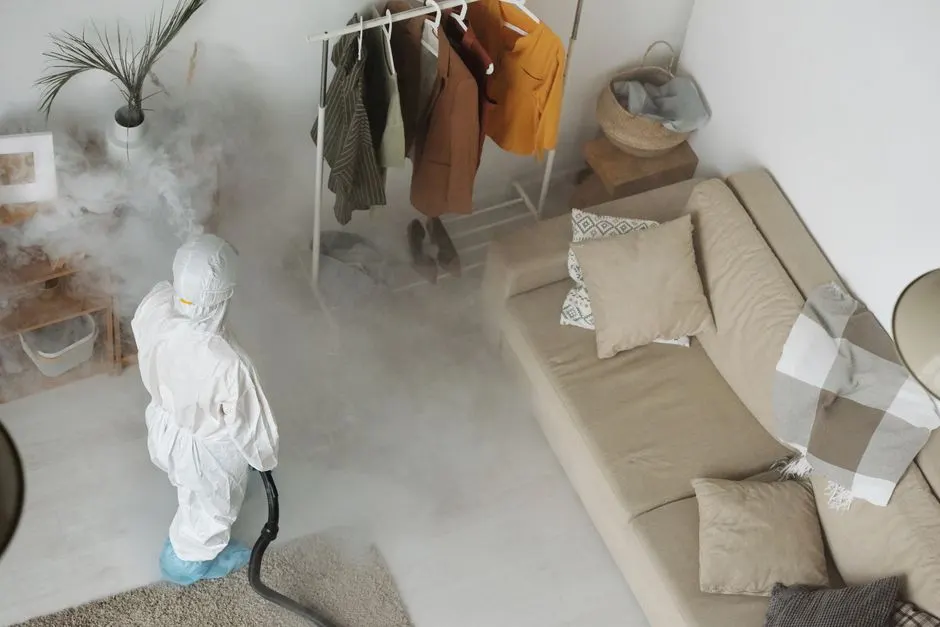


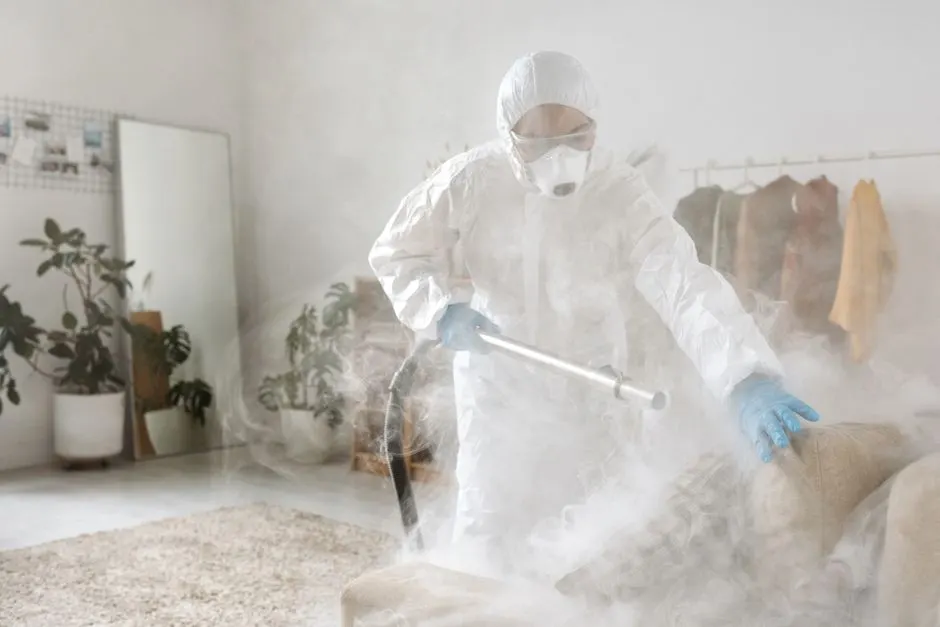

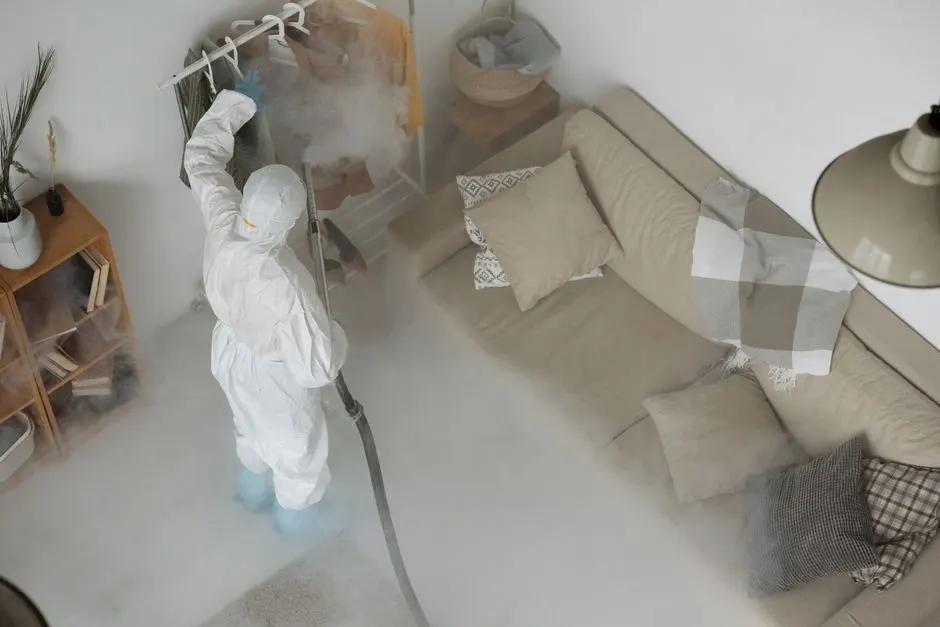
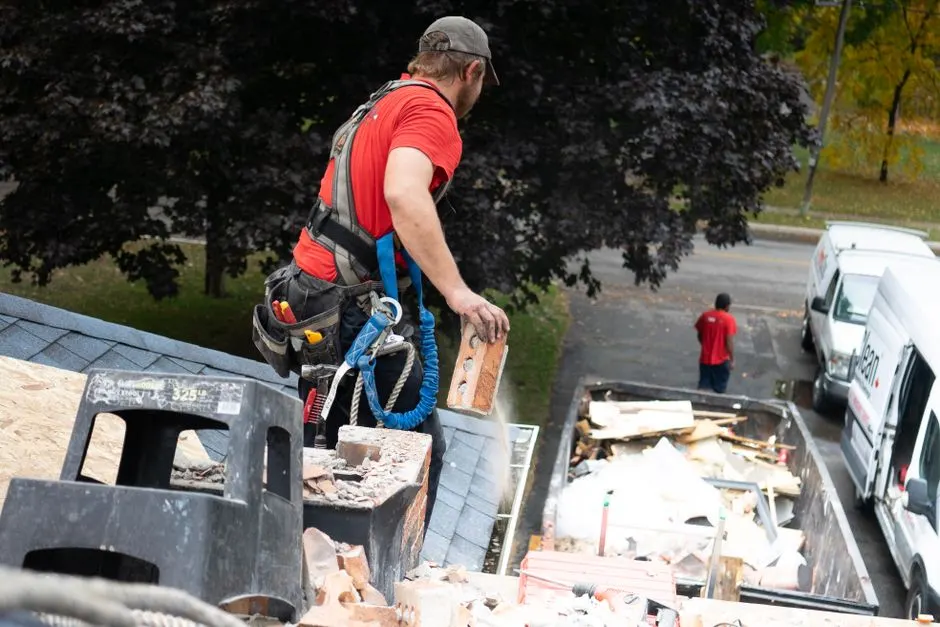
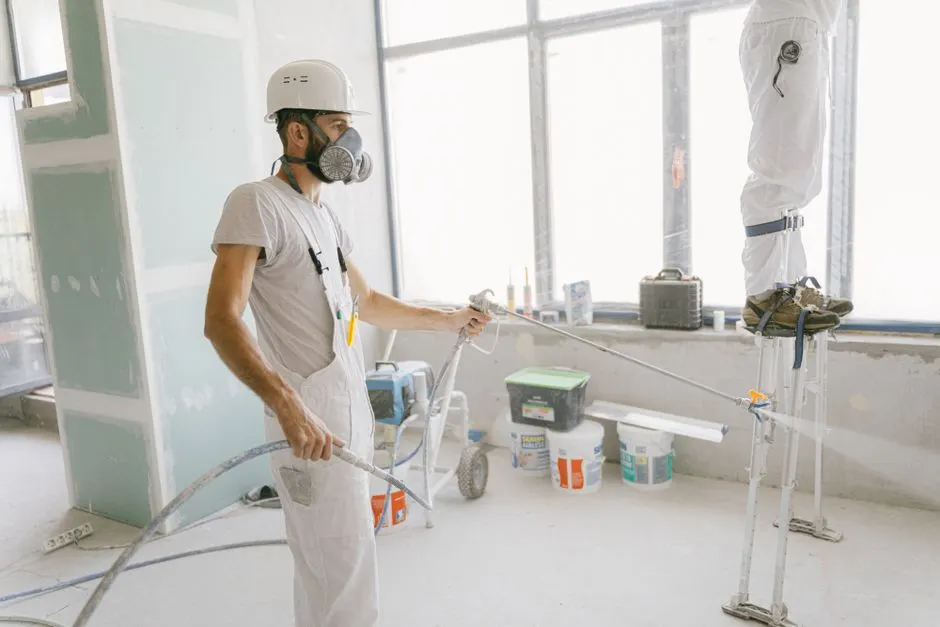



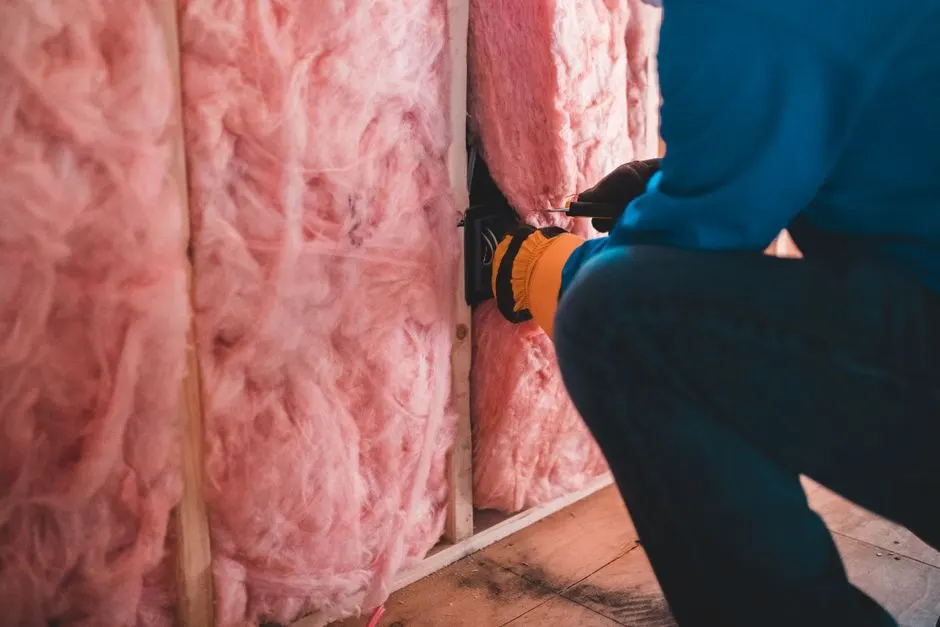


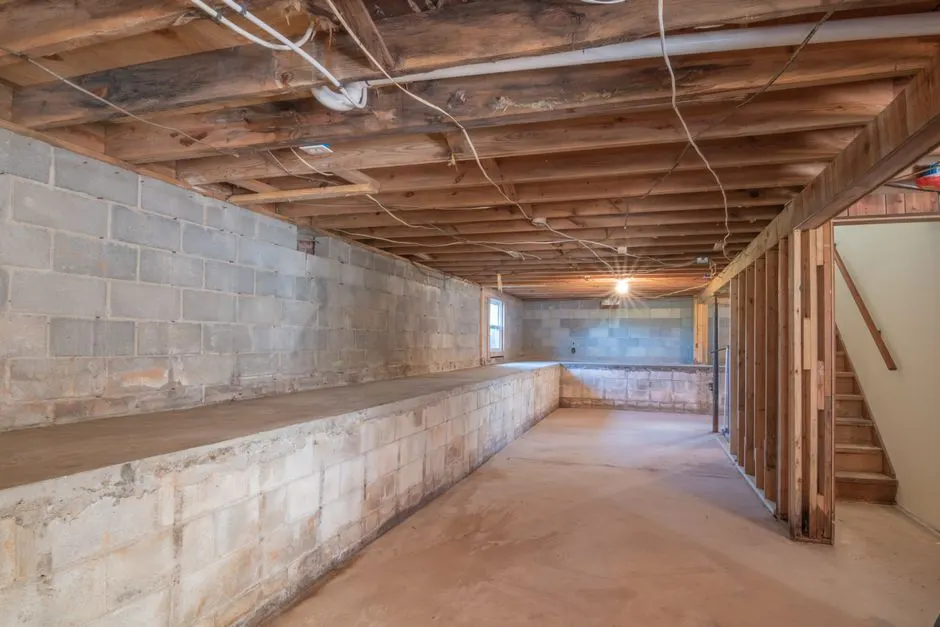
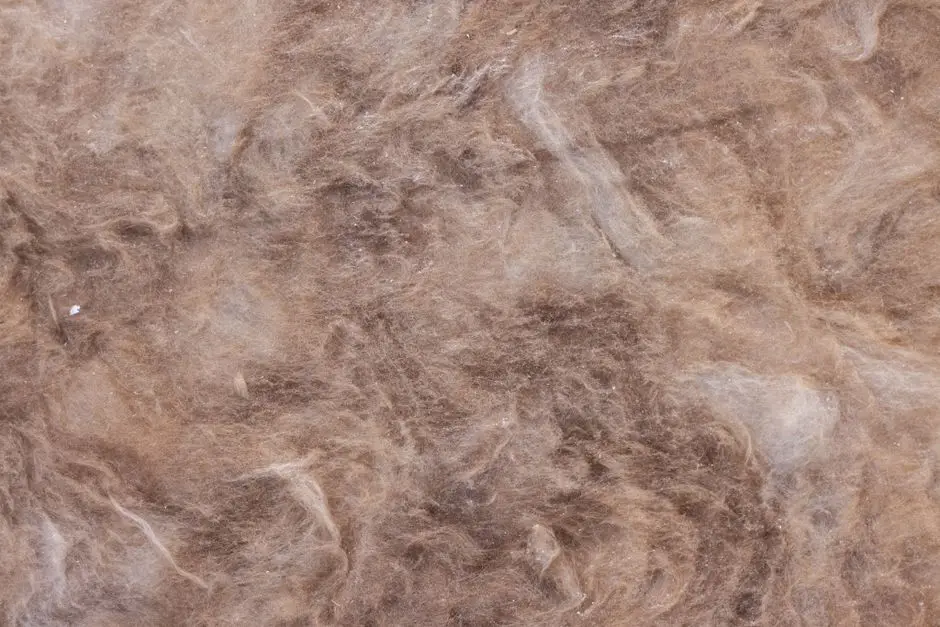


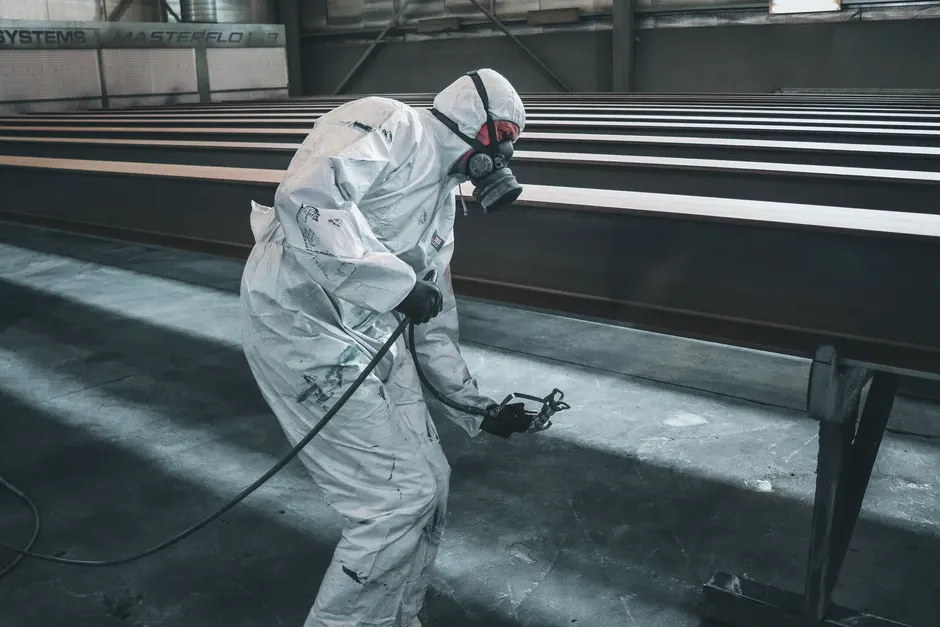
Attercliffe's building stock and location create a specific set of foam problems. The terraces were heavily targeted by insulation installers, the industrial units have large roof decks, and the proximity to the River Don means moisture is always a factor. These are the issues we deal with most often when we carry out Spray foam removal Attercliffe South Yorkshire homeowners and landlords book us for.
Lenders treat foam as a risk because it can hide roof defects and block ventilation. In Attercliffe's older terraces, surveyors often cannot confirm the roof is sound, so the mortgage is declined until the foam is removed and the structure inspected.
Foam installed under older schemes has now had time to shrink and crack. In Attercliffe we see it pulling away from rafters in lofts that were done around ten to fifteen years ago, which leaves the roof space under-insulated and prone to condensation.
Foam acts as a barrier, so moisture from inside the house cannot escape and condenses on the cold side. The River Don and the valley's damp climate make this worse, and older terraces often have no ventilation path at all.
Once foam shrinks or absorbs moisture, it stops performing as insulation. Homeowners in Attercliffe often notice the loft is cold, the heating bills have crept up, or the roof space feels damp, even though the foam is still in place.
Most people in Attercliffe do not go looking for spray foam removal until something forces the issue, usually a mortgage application, a survey or a damp patch that will not go away. These are the signs we see most often. If any of them sound familiar, it is worth getting an assessment before the problem gets more expensive. If you have been searching for Spray foam removal in Attercliffe near me because a lender has raised a query, call us and we will tell you what needs to happen.
Mortgage lender or surveyor flags the foam
This is the most common trigger. Lenders cannot confirm the roof is ventilated when foam is present, so they refuse the mortgage or hold back funds. It needs sorting before the sale can proceed, and the sooner you book, the less likely you are to lose your buyer.
Damp patches or musty smell in the loft
Foam traps moisture against the rafters and battens, and in older Attercliffe terraces that shows up as damp staining, a musty smell or soft timber. Left alone, it can rot the roof structure and cost far more to fix than the removal itself.
Foam pulling away from the rafters
Spray foam shrinkage is common in foam installed more than ten years ago. When it pulls away, it leaves gaps that let warm air into the roof space, which makes condensation worse and reduces the insulation value to almost nothing.
Difficulty selling or remortgaging the property
Even if your current lender is fine with it, the next buyer's lender may not be. Foam is increasingly flagged at survey, and properties with untreated foam can sit on the market or sell below asking price. Removing it before you list avoids that problem.
Pest activity or debris in the insulation
Soft or degraded foam gives insects and rodents somewhere to nest, and once they are in, the insulation is contaminated. If you are finding droppings, chewed foam or a persistent smell, the foam needs to come out and the space needs cleaning before anything goes back in.
Attercliffe is easy to work in once you know it, but the one-way systems and industrial estates can catch out crews who do not come here often. We use Attercliffe Common as our main spine, with the River Don and the Sheffield Arena as reference points for the eastern and northern edges of our patch. Knowing where the terraces back onto the industrial land saves us time on access and parking, which matters when you are carrying bags of foam out through a rear alley.
The main road through the district and our primary reference point for locating side streets, terraces and commercial units. Most of our Attercliffe jobs are within a few minutes of it.
A useful marker for the northern edge of our patch and for the regeneration zone around it. It helps us route to newer-build and converted commercial properties quickly.
A central landmark on Attercliffe Common that we use to orient crews working the surrounding residential streets and terraces.
The river marks the northern boundary of much of our work and helps us identify the canal-side and Lower Don Valley properties that often have damp-related foam problems.
ZIP coverage on request — call to confirm.
Attercliffe's climate is typical South Yorkshire: wet, changeable and colder than the south of England. That shapes when foam problems show up and when people book removal. Autumn and winter are when damp and condensation become obvious, while spring and summer are when sales and surveys tend to move. If you are planning Spray foam removal in Attercliffe near me, here is what to expect through the year.
Spring is when the housing market picks up and surveyors start flagging foam again. Damp patches from winter may still be visible, and loft spaces can feel cold and clammy after months of rain. It is a good time to book an assessment before a sale gets held up.
Tip: If you are thinking of selling, get the loft checked in spring so any foam issue is dealt with before your first viewing.
Summer is the easiest time to work in a loft, with drier timbers and better drying conditions after removal. It is also when commercial units often schedule roof work, so our diary fills up quickly for warehouse and roof deck jobs in the Lower Don Valley.
Tip: Book commercial roof deck removal early in summer if you want it done before the autumn rain sets in.
Autumn rain and falling temperatures make condensation problems worse. Foam that has been trapping moisture all year starts to show as damp staining or a musty smell, and we get a spike in calls from homeowners who have just noticed it.
Tip: If you spot new damp patches in the loft in autumn, get them looked at before winter. Foam removal is easier before the roof is wet through.
Winter is when water ingress and storm damage cause the most urgent problems. Foam that is already failing can hold water against the roof structure, and a small leak can turn into a bigger repair if it is not dealt with quickly.
Tip: Our 24/7 line runs through winter for emergencies. If a leak is reaching the foam, call us rather than waiting for a dry day.
Attercliffe sits on the eastern side of Sheffield, which makes it a natural base for covering the city centre and the western suburbs as well as the Lower Don Valley. We run the same crews and the same equipment across all of these areas, so you get the same standard of work wherever you are.
(City)
About two miles west of Attercliffe. We cover city centre flats and converted buildings where spray foam has been found during a sale or survey.
View City Centre(City)
The same core area, roughly 10 to 15 minutes by road. Common for commercial and mixed-use buildings with foam on roof decks or in loft voids.
View Sheffield City Centre(City)
A western suburb around four miles away. Mostly Victorian terraces and semis where loft spray foam removal is the usual job.
View Crookes(City)
Close to Crookes and the universities, around four miles from Attercliffe. Older housing stock with a lot of inherited foam in loft spaces.
View Crookesmoor(City)
A south-western suburb roughly five miles away. Larger detached and semi-detached homes where foam removal is often tied to a mortgage or survey.
View Ecclesall(City)
The main route through Ecclesall, around five miles from Attercliffe. A mix of residential and commercial properties, both of which we cover.
View Ecclesall RoadReal answers from our team for the questions we hear most often before a job starts.
If your lender has flagged foam, your loft is damp, or you just want a straight answer on what is in your roof, call us. We have worked in Attercliffe since 2021, we quote upfront, and we turn up when we say we will. Same day slots are available for survey deadlines, and our 24/7 line covers emergencies across S9 and S4. One call and you will know exactly where you stand.
Ring us on 03335672543 between 8am and 6pm Monday to Friday, or leave a message out of hours and we will call you back first thing. We answer the phone, give you a straight answer on price and timescales, and book your survey on the spot. Most Sheffield surveys happen within two working days.
Phone
03335672543Address
30 Cambridge St, Sheffield City Centre, Sheffield S1 4HP, UK, Sheffield, South Yorkshire
Hours
Mon–Fri: 7AM – 7PM
Sat: 8AM – 4PM
Sun: Emergency Only
24/7 Emergency Available